
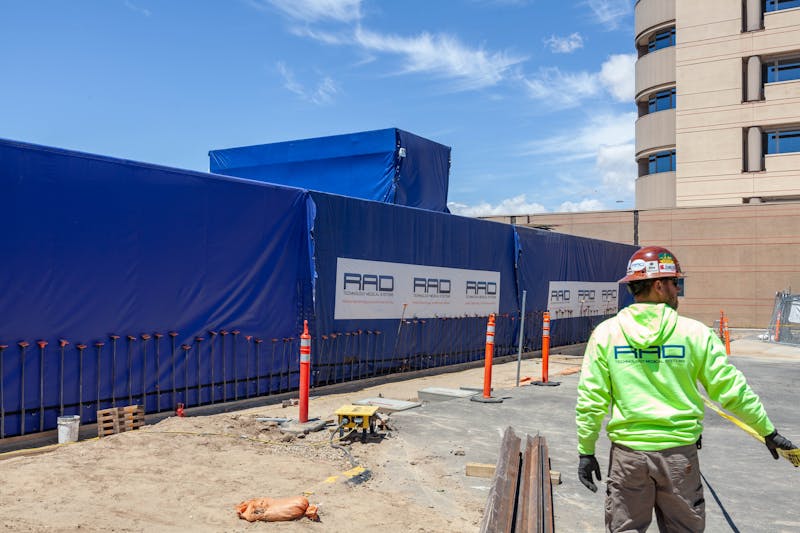
Modern modular medical facility buildings are designed to meet or exceed the same building codes as traditional structures. They are typically reinforced with steel-framed modules built to endure transportation. With precision manufacturing, high-quality materials, and strict quality assurance processes, these facilities offer durability comparable to conventional construction.
Two key factors influence the longevity of modular medical facilities: the type of facility (temporary vs. permanent) and the elements that impact their durability over time. These factors determine how long a modular facility can serve patients, staff, and communities effectively. Let's explore the primary aspects affecting durability and how RAD's modular approach guarantees decades of reliable performance.
Temporary vs. Permanent
The design intention has a direct impact on expected service life:
Temporary Facilities
- Designed for flexibility: Built to be moved, relocated, or repurposed multiple times.
- Durable construction: Reinforced modules withstand transport and repeated installation.
- Lifespan: Typically 25–30 years when properly maintained.
- Ideal use cases: Interim solutions during upgrades, expansions, or disaster recovery.
- Maintenance-dependent: Consistent upkeep extends performance and prevents premature wear.
Permanent Facilities
- Installed on full foundations: Built as enduring structures integrated into healthcare campuses.
- Equivalent to traditional builds: Engineered to meet or exceed conventional standards.
- Lifespan: Often 50 years or more, with some lasting 60+ years under high-quality construction and care.
- Customization and expansion: Easily designed to include specialty spaces, imaging suites, or oncology services.
- Long-term reliability: Built for decades of continuous service with minimal disruption.
Other Factors Influencing Modular Facility Longevity
Regardless of whether a facility is temporary or permanent, four primary factors shape its lifespan:
1. Quality of Materials and Structural Design
- Steel-framed modules provide strength to withstand transport and decades of use.
- Reinforced connections enhance stability and long-term resilience.
- High-performance finishes guard against environmental wear and daily demands.
- Factory-controlled assembly ensures precision, consistency, and fewer defects.
- Robust frames and finishes keep facilities performing at full capacity for decades.
2. Maintenance and Upkeep
- Disciplined maintenance plans help facilities exceed their projected lifespan.
- Regular inspections identify small issues before they become costly repairs.
- Roofing and HVAC servicing protect against leaks, inefficiencies, and system failures.
- Re-sealing joints and exterior elements preserves structural integrity.
3. Adaptability and Upgrade Potential
- Modular reconfiguration allows facilities to expand or adjust layouts as needs evolve.
- Technology upgrades can be integrated without tearing down existing structures.
- Expandable design enables new modules for imaging, oncology, or specialty services.
- Future-proof systems reduce obsolescence, keeping facilities relevant longer.
- Flexibility ensures facilities remain useful through multiple generations of medical technology.
4. Usage Intensity and Environment
- High-volume centers may experience greater wear than lower-traffic facilities.
- Climate conditions (heat, humidity, coastal exposure) affect materials over time.
- Protective coatings and corrosion-resistant materials safeguard against environmental stress.
- Proactive inspections help address localized issues early.
- Customized designs for climate and workload extend long-term durability.
The RAD Advantage: Lifespan Designed In
RAD’s modular medical facilities leverage these longevity principles:
- Steel-Frame Durability: Our structures are built to withstand transport, installation, and decades of use, with a core strength that supports a long service life.
- Future-Proof Flexibility: RAD’s proprietary modular systems enable expansions, interconnectivity, and technology upgrades, extending facility lifespans without full rebuilds.
- Minimal Disruption: With 80% of construction performed off-site, RAD facilities reduce environmental impact and site disturbance and deliver consistent quality for long-lasting outcomes.
Decades of Service, Backed by RAD Expertise
Modular medical facilities are here for the long haul. Whether your project is interim or permanent, RAD’s expertise and modular innovation ensure decades of reliable service. If you'd like a customized longevity assessment for your facility, let’s collaborate to build innovative, sustainable, and future-ready medical environments.