
Modular construction has transformed how hospitals deliver new clinical space, compressing what was once a multi-year journey into a tightly choreographed process measured in weeks. RAD Technology Medical Systems has refined that process across hundreds of projects.
Our patented Modular Medical Facilities (MMF) move from drawing board to operational facility with a discipline that traditional construction cannot match.
In this blog, we will discuss how a modular project moves from concept to completion, the milestones that define each phase, and the operational results healthcare leaders can expect.
The Concept Phase: Defining the Vision
Every successful modular project starts with a clear understanding of clinical goals, site constraints, and operational needs. RAD works closely with hospital leadership and architects to map out a facility that fits the broader campus and patient population. The Whole Building Design Guide emphasizes that early stakeholder alignment is one of the strongest predictors of project success.
The concept phase covers:
- Clinical programming: Service line goals shape square footage and adjacencies.
- Site analysis: Geotechnical, utility, and access conditions confirm feasibility.
- Regulatory review: Local codes and Joint Commission standards inform design.
- Financial modeling: Operating lease and capital scenarios guide leadership decisions.
Design and Engineering: Translating Needs into Modules
Once the team locks in the vision, RAD's engineering group translates clinical requirements into modular components. Each module is engineered to support on-site integration with building systems while arriving with key elements such as cabinetry, medical equipment, and utilities already in place for final connection. This approach helps streamline installation while maintaining code compliance. The American Hospital Association notes that integrated design accelerates downstream construction and reduces costly rework.
Design priorities include:
- Structural engineering: Modules meet seismic, wind, and transport-load requirements.
- Shielding design: Linear accelerator vaults align with NCRP standards.
- MEP coordination: Mechanical, electrical, and plumbing systems plan for clean tie-ins.
- Workflow optimization: Patient flow, staff routes, and equipment placement get refined early.
Off-Site Fabrication: Where Speed Meets Precision
Construction shifts to a controlled factory environment while site work proceeds in parallel. This dual-track approach is the heart of modular's speed advantage. Factory conditions remove weather delays, tighten tolerances, and let inspectors review the work before modules ever leave the plant. Quality control happens continuously rather than at the end.
Fabrication advantages include:
- Parallel scheduling: Module construction overlaps site preparation.
- Climate-controlled assembly: Factory conditions eliminate seasonal slowdowns.
- Continuous inspection: Quality checks happen at each stage of fabrication.
- Reduced waste: The Environmental Protection Agency reports that off-site construction generates significantly less material waste than traditional builds.
Site Preparation and Delivery
While modules take shape in the factory, RAD crews prepare the hospital site for arrival. Crews must finalize foundations, utility connections, and access routes by the day modules roll in. Coordination with hospital operations matters here, because most projects happen alongside active patient care.
Site preparation milestones include:
- Foundation work: Crews set pads and tie-in points to engineered specifications.
- Utility staging: Power, water, medical gas, and data lines reach the install zone.
- Logistics planning: Transport routes, crane placement, and traffic control get mapped.
- Infection control: ICRA protocols protect adjacent clinical areas during delivery.
Installation, Commissioning, and Going Live
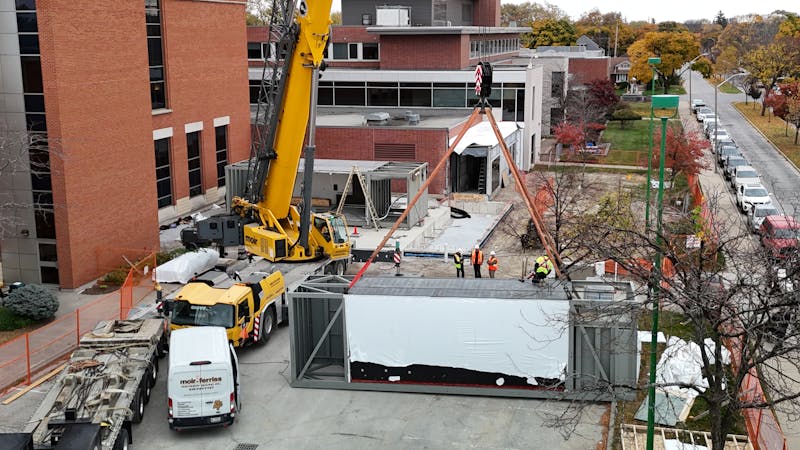
Installation is the visible payoff of planning. Modules arrive, are craned onto prepared foundations, and are connected to on-site utilities and, where applicable, the existing hospital or host facility within days. Commissioning teams then verify every system, train staff, and bring the facility online.
Final phase activities include:
- System verification: HVAC, shielding, electrical, and IT systems are tested to spec.
- Regulatory sign-off: Inspections confirm code and accreditation compliance.
- Go-live coordination: Patient services launch on a defined schedule.
From Concept to Completion, Backed by Decades of Modular Expertise
The power of modular construction lies not in any single phase but in how the entire arc, from concept to completion, comes together with predictability, speed, and clinical integrity.
Our engineering, healthcare, and project execution expertise turn ambitious clinical visions into running facilities. Ready to take your next project from concept to completion? Contact RAD Technology Medical Systems today to schedule a consultation with one of our modular experts and start mapping your facility.