
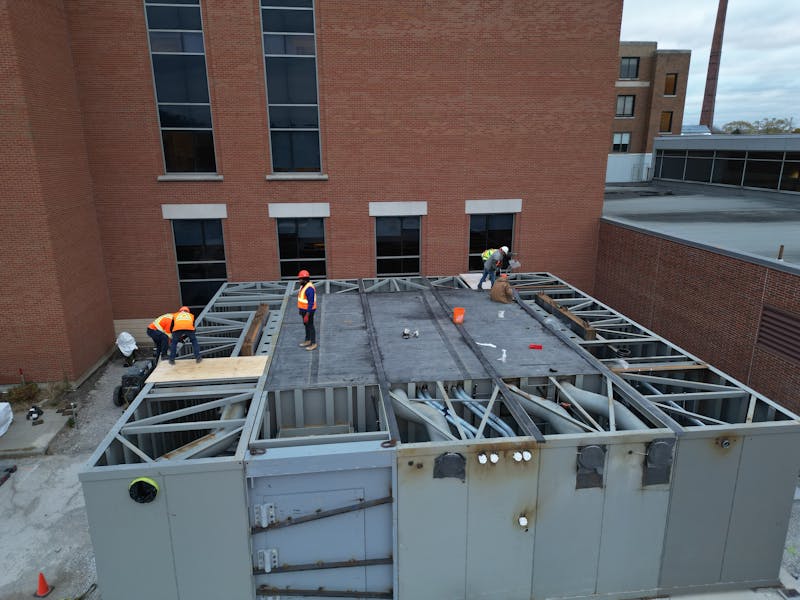
Specialty care access remains one of the most persistent challenges in healthcare, with millions of Americans living miles or hours away from the cancer treatment, imaging, or emergency services they need. RAD Technology Medical Systems has spent decades helping hospitals close that gap with patented Modular Medical Facilities (MMF) that bring specialty care directly into the communities that need it most.
In this blog, we will discuss the access barriers patients face today, how modular construction expands specialty care reach, and the operational benefits hospitals gain when they deploy modular facilities to serve underserved populations.
The Specialty Care Access Gap in Modern Healthcare
Geographic and capacity barriers shape specialty care access across the United States. Patients in rural and underserved areas often travel long distances for cancer treatment, dialysis, or advanced imaging. The Health Resources and Services Administration tracks medically underserved areas where specialty access falls below national benchmarks. Closing those gaps requires faster, more flexible delivery of clinical infrastructure than traditional construction can provide.
Common access barriers include:
- Geographic distance: Many patients drive hours for routine specialty appointments.
- Capacity shortages: Existing facilities operate at full capacity with long wait times.
- Aging infrastructure: Older buildings cannot support modern specialty equipment.
- Capital constraints: Smaller hospitals cannot fund traditional multi-year construction.
How Modular Construction Closes the Distance Between Patients and Care
Modular construction shrinks the time between an identified care need and an operational specialty facility.
RAD's MMFs install in days or weeks rather than years, letting hospitals open new specialty services in step with patient demand.
Access advantages of modular delivery include:
- Rapid deployment: Specialty services come online in weeks, not years.
- Geographic flexibility: Modules go where the patient population is greatest.
- Lower entry cost: Operating lease models reduce the financial barrier to expansion.
- Adaptable footprint: Facilities scale up or relocate as access needs evolve.
Expanding Oncology and Radiation Therapy Access
Cancer care is one of the most acute access challenges in healthcare. Linear accelerators and proton therapy systems are expensive, technically demanding, and slow to deploy through traditional construction. RAD designed its radiotherapy products specifically to expand cancer care access without the multi-year delays that often define oncology projects. The National Cancer Institute reports that geographic access to radiation therapy directly affects treatment adherence and outcomes.
Modular oncology benefits include:
- Vault deployment: RAD Vaults bring radiotherapy to facilities lacking shielded space.
- Full-center delivery: RAD Centers combine vaults with clinical and exam areas.
- Temporary capacity: RAD Temp facilities support care continuity during renovations.
- Veterinary applications: Modular vaults serve veterinary oncology programs as well.
Supporting Rural and Underserved Communities
Rural and community hospitals face the steepest barriers when expanding specialty services. Limited capital, smaller patient volumes, and aging facilities can make traditional builds impractical. The USDA Rural Development program tracks the role of healthcare infrastructure in rural community health, and modular construction has emerged as a tool that fits the realities of those communities. Bringing specialty care closer to patients can reduce travel burden, improve adherence, and strengthen regional health outcomes.
Modular construction benefits rural and community hospitals through:
- Right-sized facilities: Modules match the volume and scope of regional needs.
- Lower capital risk: Smaller, faster projects fit constrained budgets.
- Phased growth: Hospitals add capacity as patient volumes justify expansion.
- Specialty reach: Communities gain access to services once available only in major cities.
Scaling Capacity to Meet Growing Specialty Demand
Even well-resourced health systems struggle to keep pace with rising specialty demand. Cancer diagnoses, imaging volumes, and emergency visits continue to grow nationally, with no signs of slowing. The Agency for Healthcare Research and Quality reports that capacity bottlenecks are a leading driver of delayed specialty care, and delays in specialty access can carry serious clinical consequences. Modular construction gives health systems a faster, more flexible way to scale.
Capacity scaling benefits include:
- Rapid expansion: New modules add capacity in months, not years.
- Service line growth: Hospitals open new specialties without disrupting existing operations.
- Disaster preparedness: Modular facilities deploy quickly during surges and emergencies.
- Long-term flexibility: Modules adapt or relocate as service demand shifts geographically.
Expanding Specialty Care Access, Backed by Decades of Healthcare Delivery Experience
The role of modular construction in expanding specialty care access has become impossible to ignore as health systems work to reach more patients with the services they need.
Our engineering, healthcare, and project execution expertise turns access goals into operational specialty facilities that patients can reach. Ready to expand specialty care access in your community? Contact RAD Technology Medical Systems today to schedule a consultation with one of our modular experts and start planning your facility.